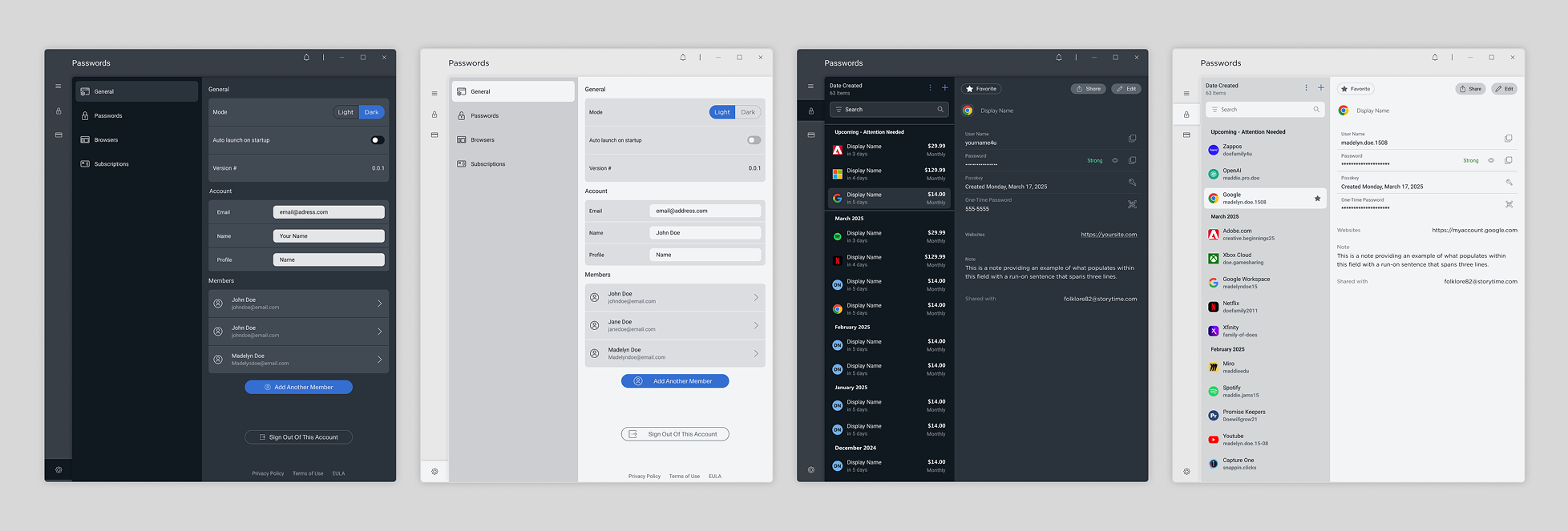
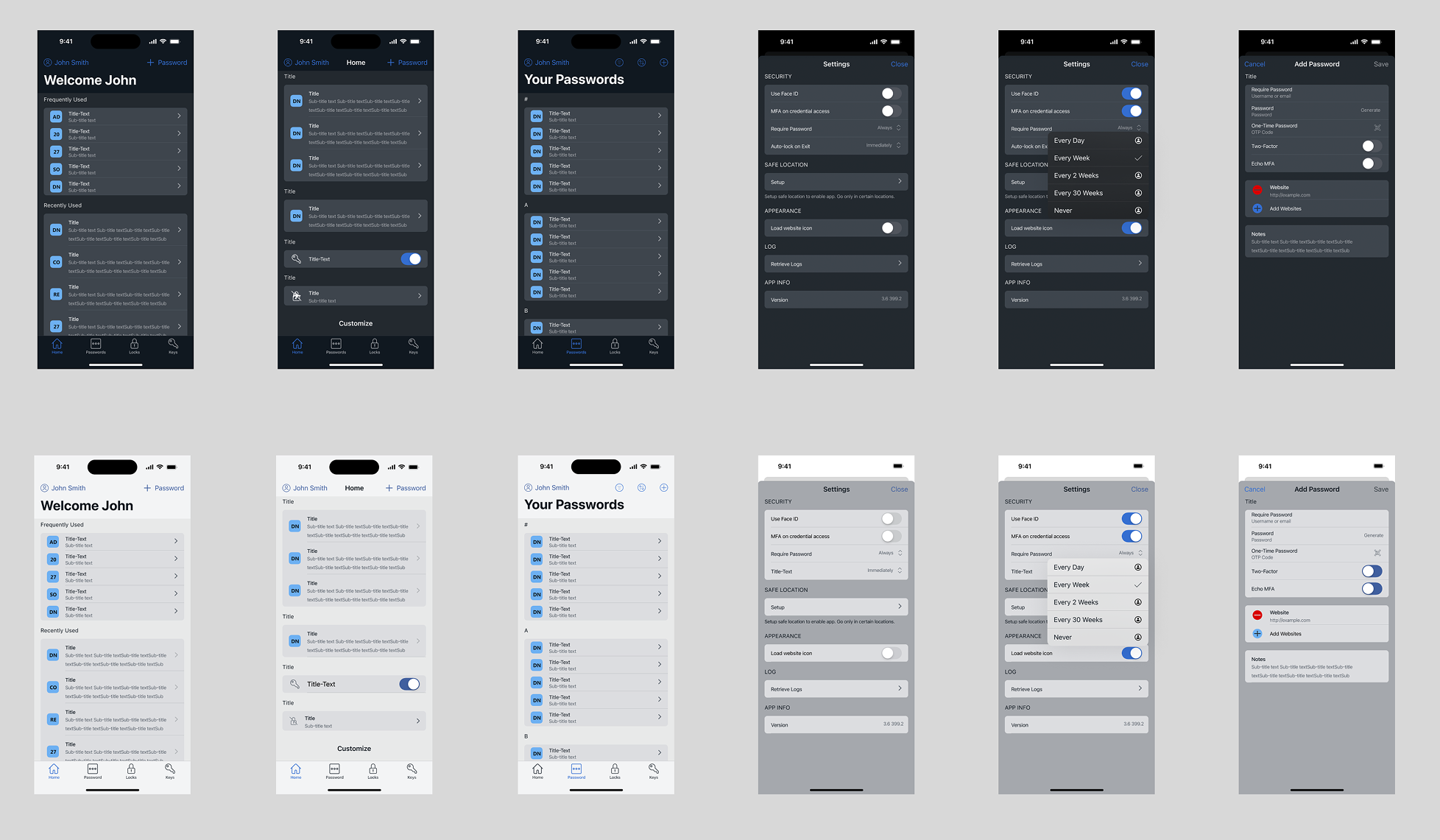
Keyline Application Design
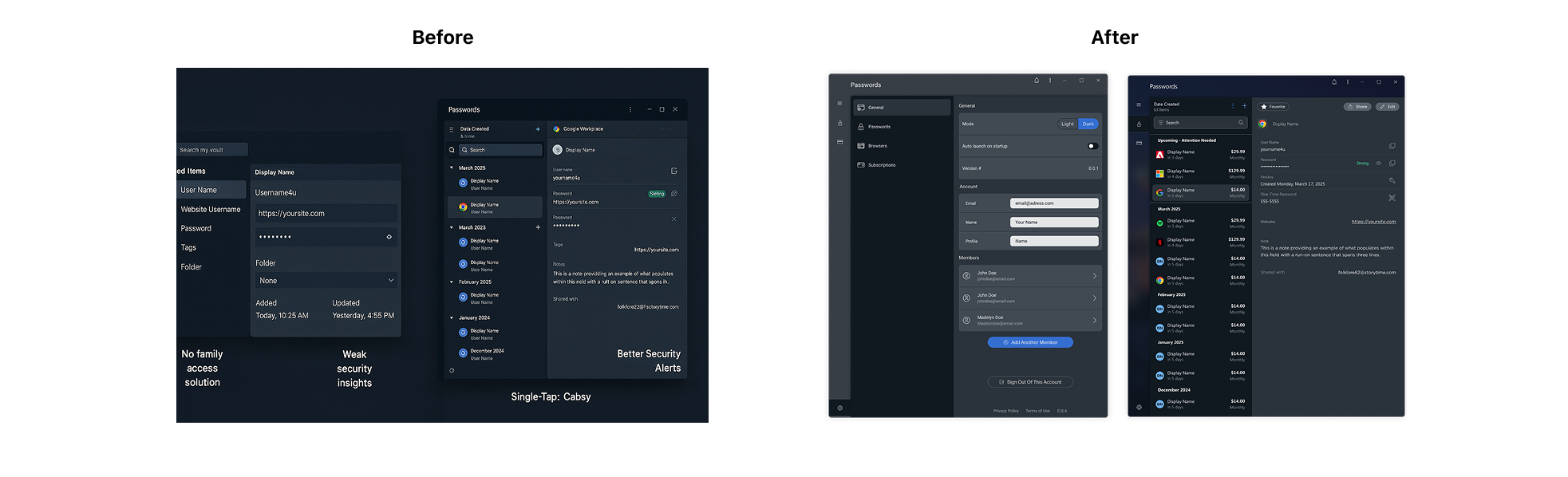
Keyline started with no structure — no UI library, no component logic, and no unified experience.
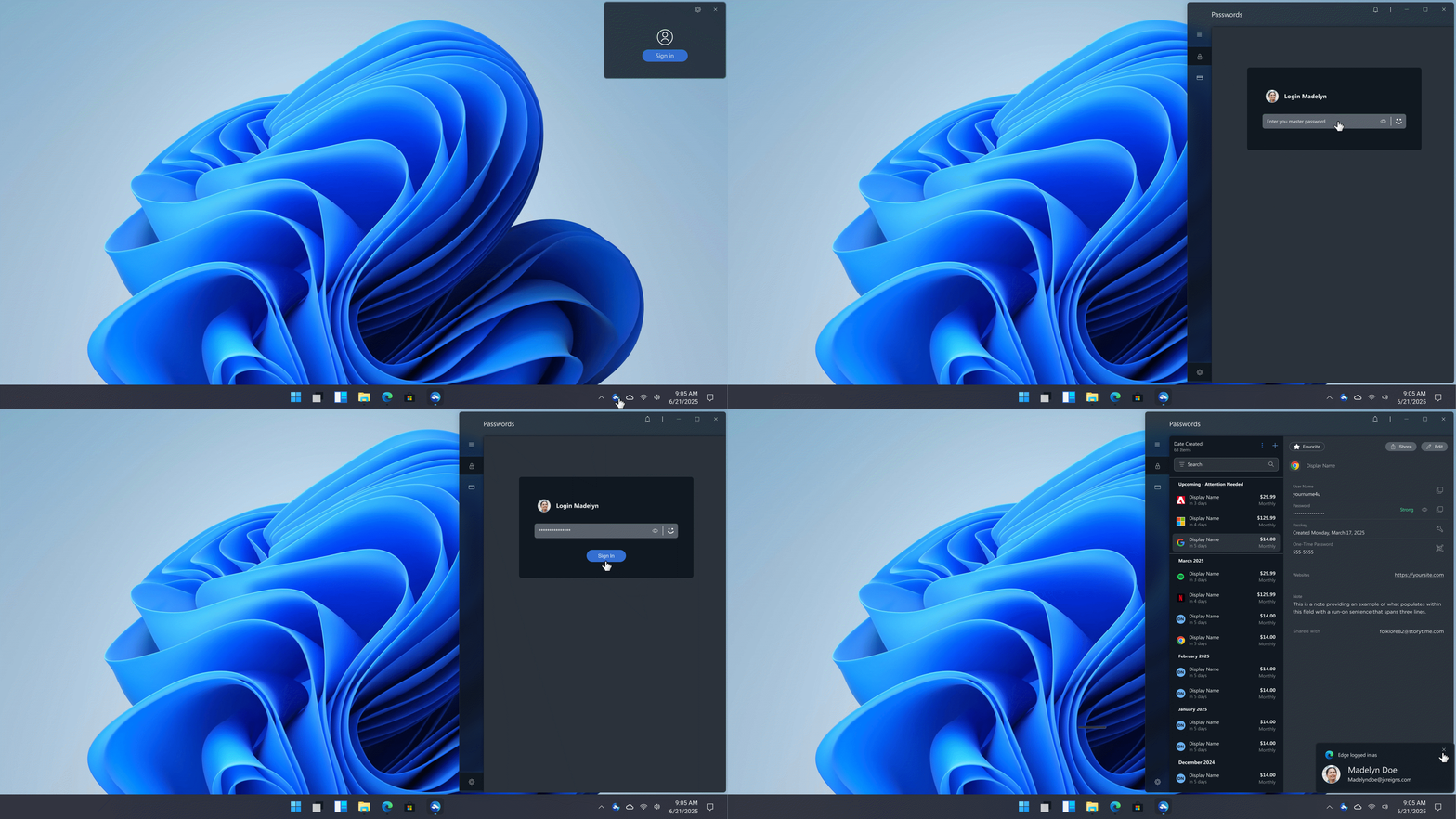
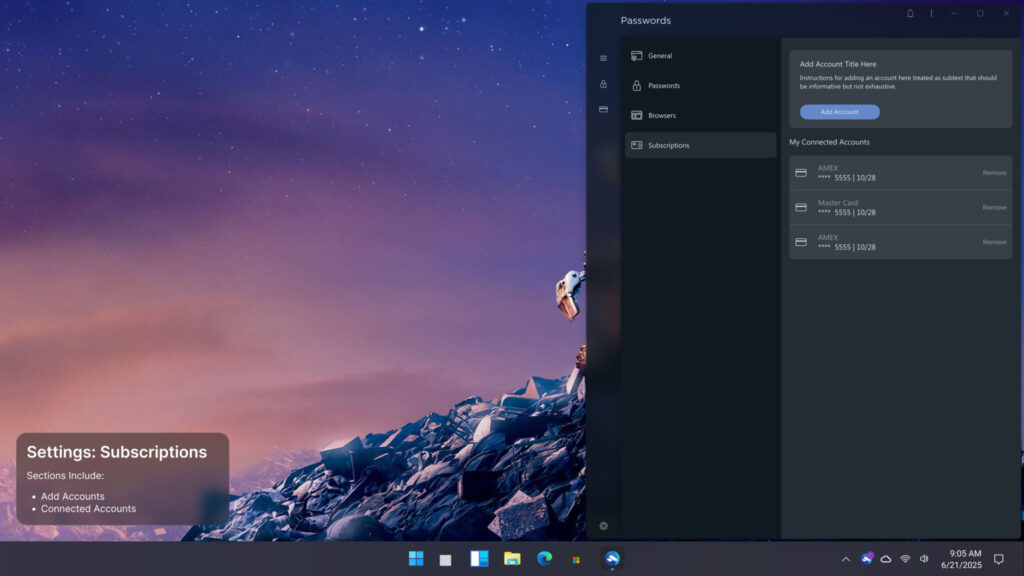
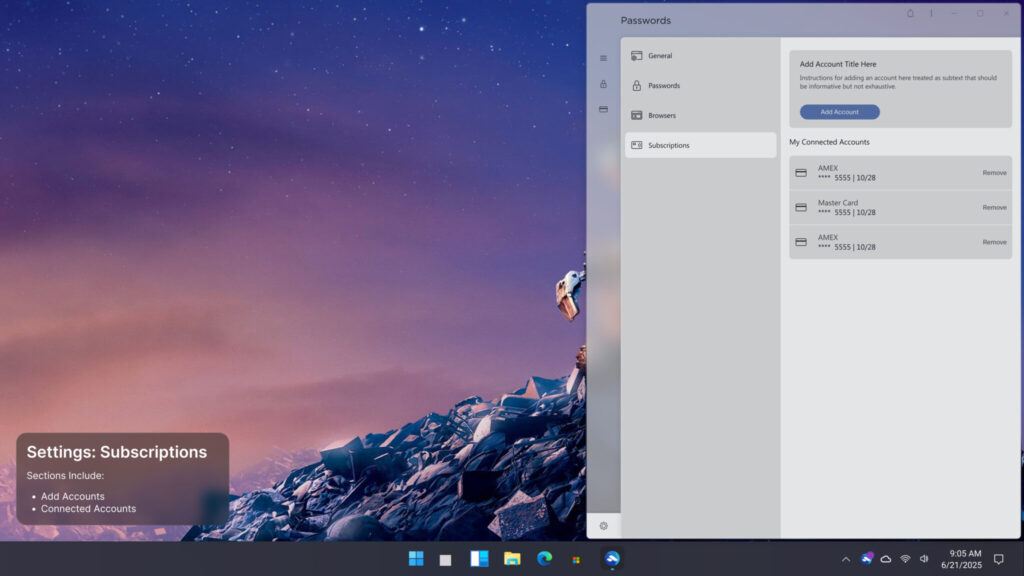
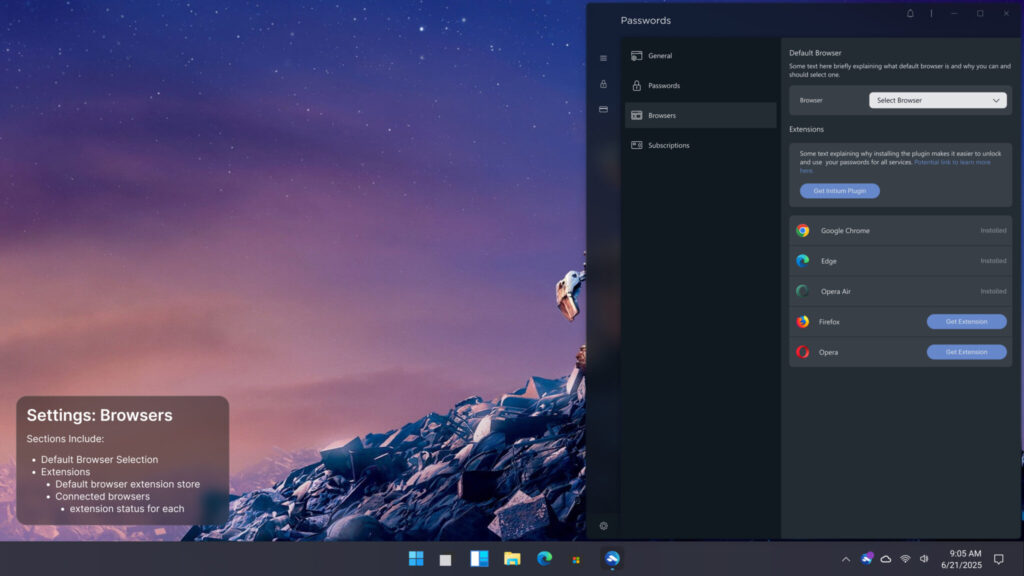
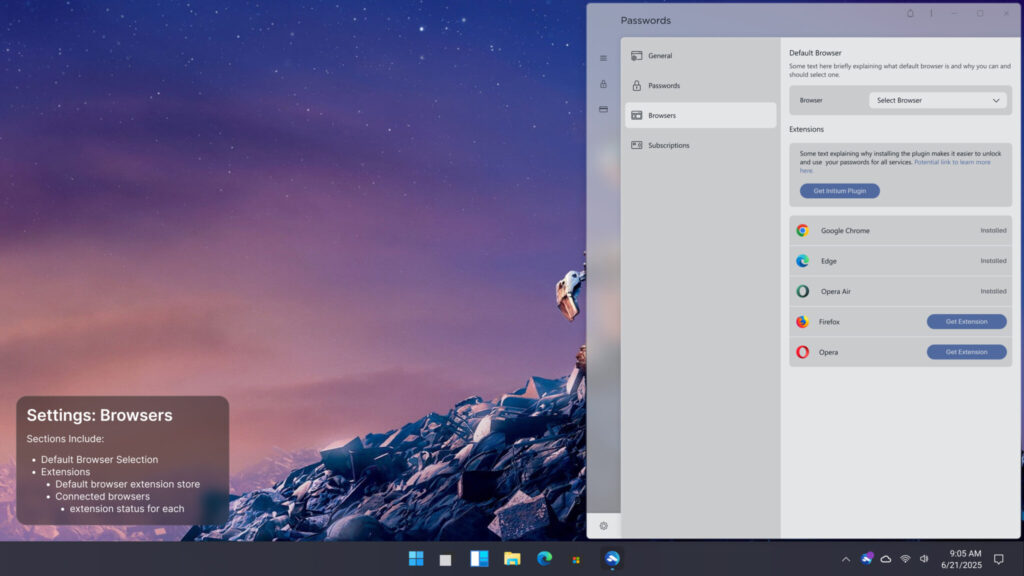
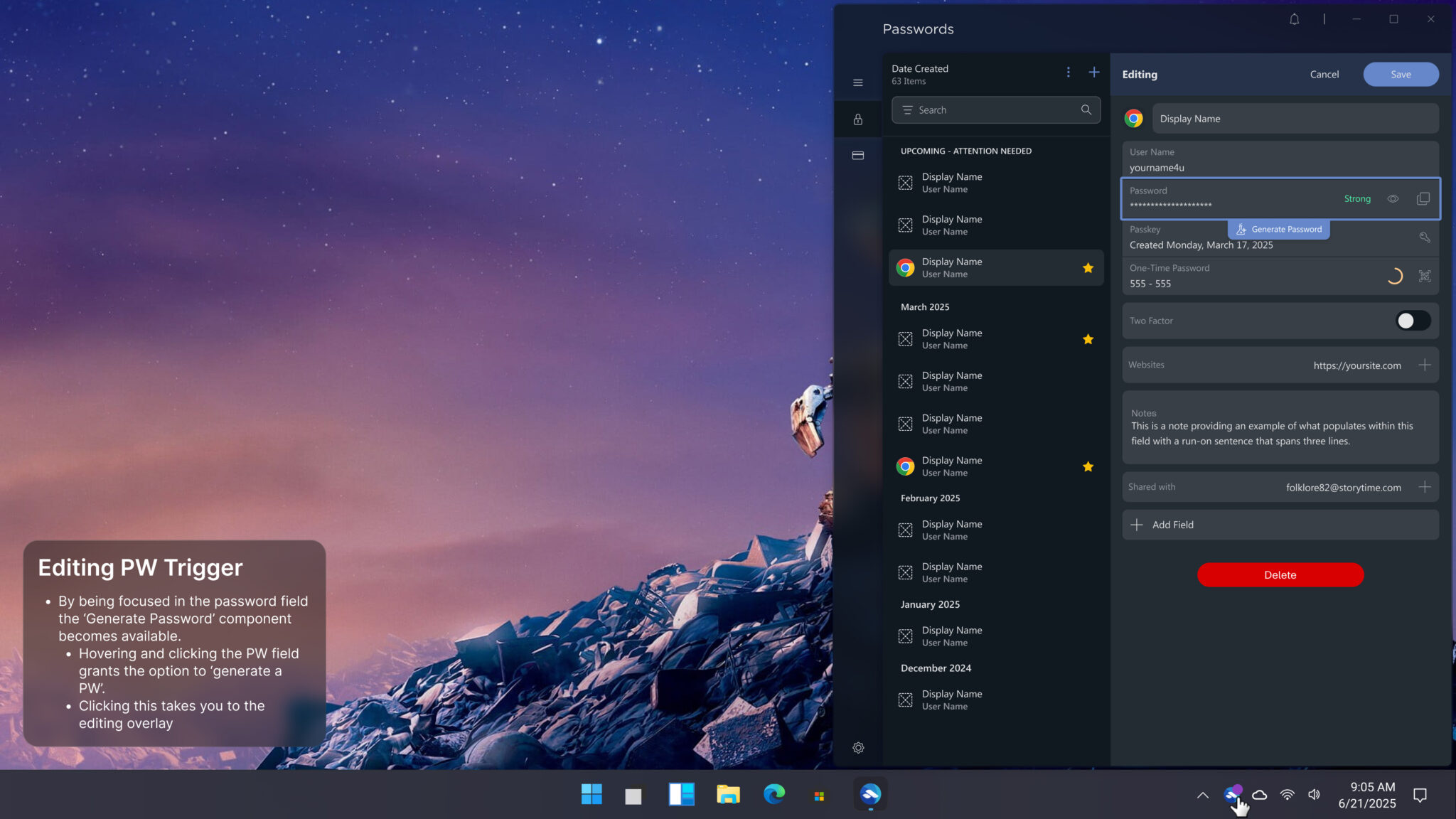
I was brought in to design its foundation from scratch, creating a modular, ADA-compliant design system that simplified how users manage passwords, subscriptions, and alerts across devices.
This mirrors the startup reality: ambitious vision, limited infrastructure, and the need to move fast without losing design quality.
Goal: Build visual clarity, emotional trust, and scalable architecture from day one.
2. Challenge
When I joined the project:
There was no cohesive design system or modular grid.
Inconsistent patterns and color logic created user confusion.
Alerts lacked urgency or hierarchy.
Accessibility standards weren’t met.
Users didn’t trust what the interface was telling them — a common risk for early-stage products trying to win credibility.
3. Approach & Process
4. Design System
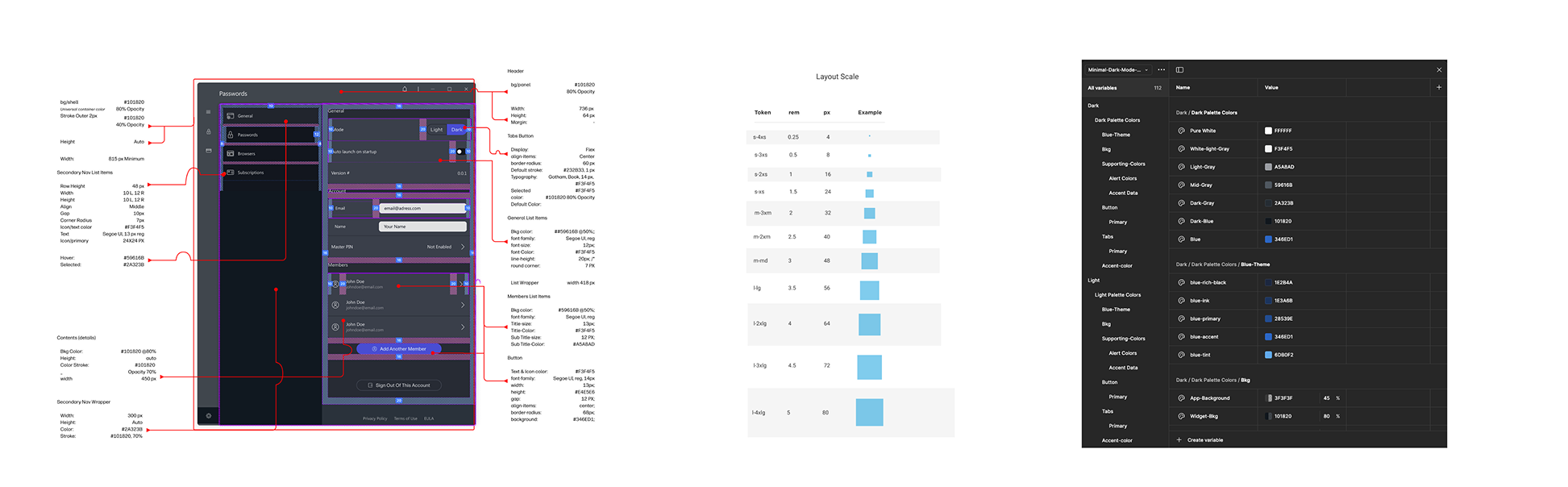
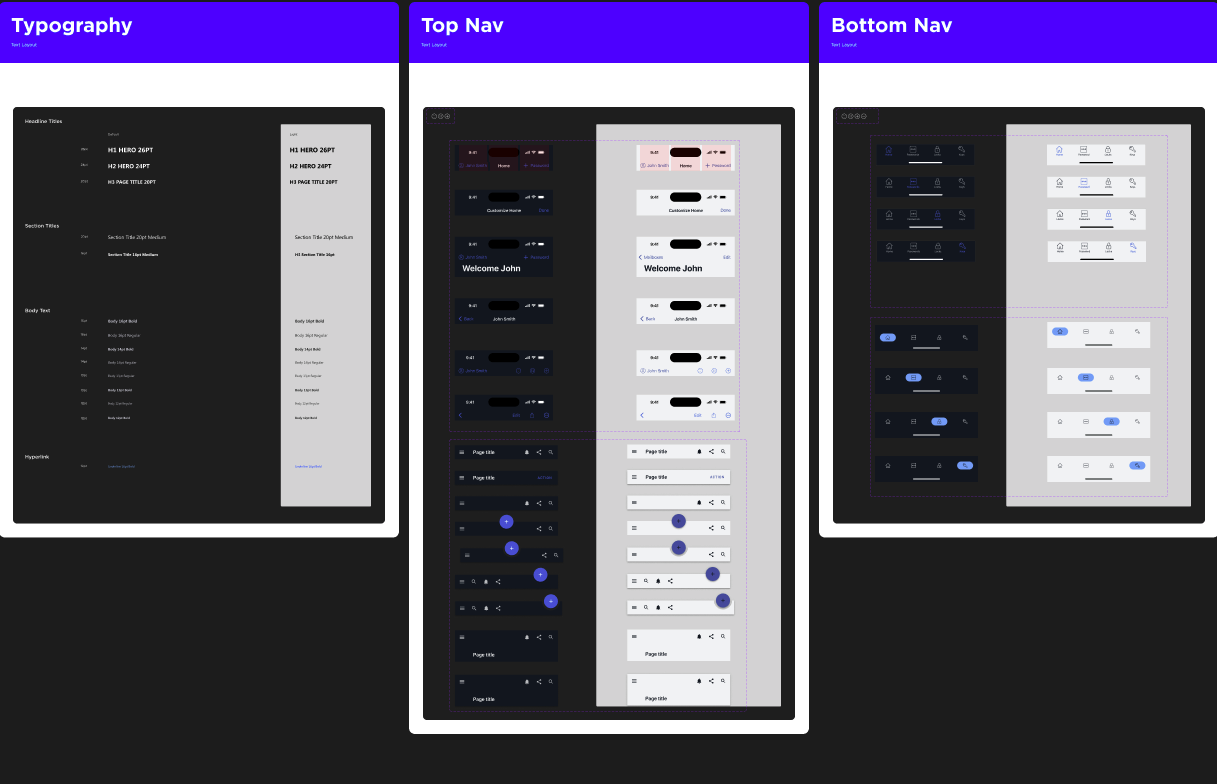
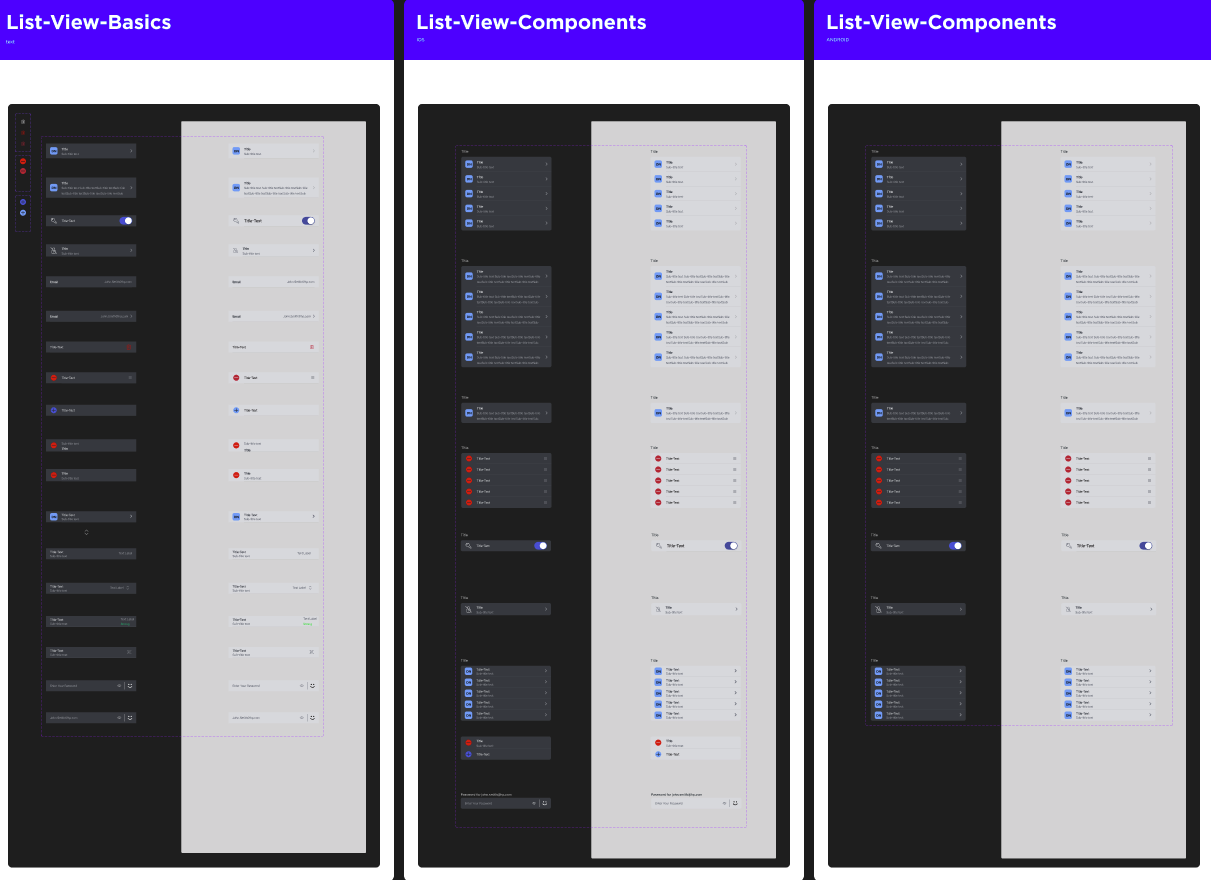
A custom Keyline Design System became the backbone of the product.
| Layer | Description | Impact |
|---|
| Tokens | Color, spacing, typography, elevation | Enabled consistent ADA contrast |
| Components | Buttons, cards, alerts, toasts, modals | Reusable, platform-agnostic assets |
| Patterns | Navigation, notifications, onboarding flows | Standardized cross-device logic |
| Principles | Accessibility-first, scalable, developer-aligned | Cut dev time by ≈35 % |
The system established a visual and behavioral consistency that scaled instantly across new modules.
5. Design Value for Startups
This project shows how early-stage products benefit from foundational design systems.
| Startup Challenge | Design Response | Business Value |
|---|
| Fragmented MVP screens | Created unified, modular design language | Faster iteration, lower rework |
| Low user trust | Built transparent, accessible UI | Higher engagement & retention |
| Costly redesign cycles | Tokenized, reusable components | Long-term scalability & brand coherence |
A design system is a growth accelerator — not a luxury.
6. Impact
Even pre-launch, Keyline delivered measurable outcomes:
↓ 20–30 % support tickets for password recovery & subscriptions
↑ Adoption of privacy and alert tools through improved IA
↓ User fatigue via tiered notification hierarchy
↑ Development velocity through reusable atomic components
7. Key Takeaways
Systems thinking multiplies speed — it turns design into infrastructure.
Clarity = Trust. When users understand what’s happening, adoption follows.
Accessibility early = Sustainability later.
The same principles that scaled Keyline can accelerate any MVP.
Keyline began as a blank slate and became a model of modular, human-centered scalability.
This is exactly what I help startups achieve — turning early-stage complexity into a design system that grows with your product.
Ready to transform your business online?
Let’s design a website that builds trust, attracts customers, and grows your brand.